
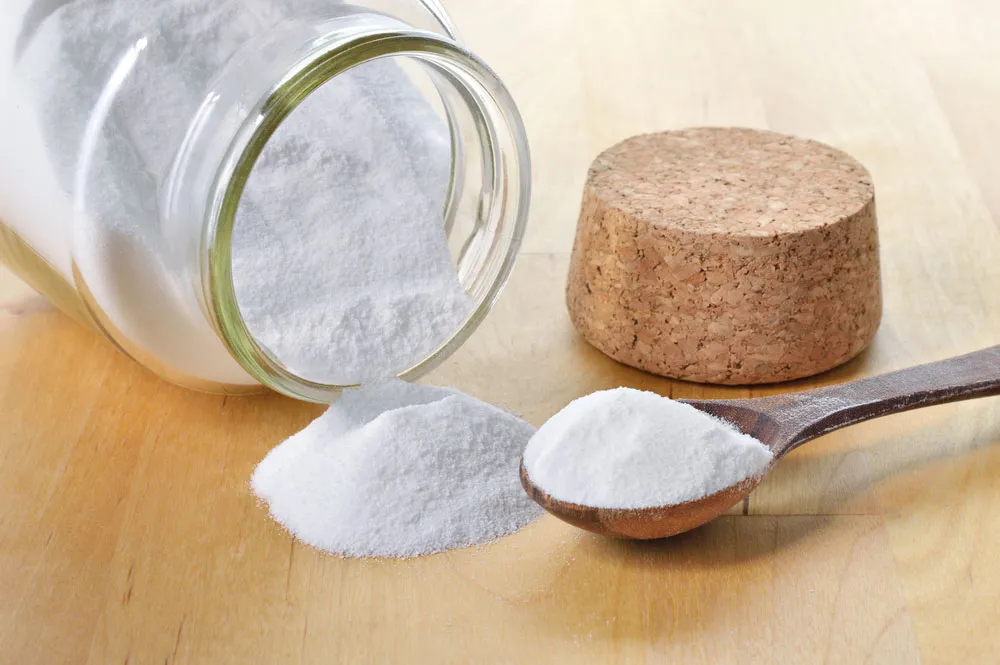
Description
Product Specifications
| Property | Specification |
|---|---|
| Chemical Name | Sodium Bicarbonate |
| Chemical Formula | NaHCO₃ |
| CAS Number | 144-55-8 |
| Appearance | White crystalline powder |
| Molecular Weight | 84.01 g/mol |
| Purity | ≥ 99% (Food / Industrial Grade) |
| Solubility | Soluble in water |
| pH | ~8.0–8.5 (aqueous solution) |
| Density | ~2.20 g/cm³ |
| Packaging | 25 kg bags or food-grade sealed packaging |
| Storage | Store in a cool, dry, well-ventilated area in tightly sealed containers away from moisture, acids, and heat. |
Uses
Sodium Bicarbonate is widely used across multiple industries, including:
- Food industry as a leavening agent in baking.
- pH adjustment and buffering in industrial processes.
- Water and wastewater treatment for neutralization.
- Flue gas treatment and air pollution control systems.
- Pharmaceutical formulations (antacid applications).
- Cleaning and household detergent formulations.
- Fire extinguishing agents (dry chemical systems).
- Textile and leather processing applications.
- Laboratory and chemical reagent use.
- Agricultural applications for soil and animal care systems.
Benefits
- Mild and safe alkaline buffering agent.
- Effective pH control and acid neutralization.
- Widely accepted in food and pharmaceutical industries.
- Non-toxic and environmentally friendly compound.
- Stable and easy to store under proper conditions.
- Versatile across food, industrial, and environmental applications.
- Cost-effective solution for large-scale use.
- Improves process efficiency in water treatment systems.
- Reliable performance in baking and formulation systems.
- Compatible with a wide range of industrial chemicals.
Safety Information
- Wear appropriate PPE including gloves and safety goggles during handling of bulk quantities.
- Avoid inhalation of dust and prolonged eye contact.
- Use in well-ventilated areas to minimize airborne particles.
- Store in tightly sealed containers away from moisture and acidic substances.
- Avoid contamination with strong acids, which may release carbon dioxide gas.
- In case of eye contact, rinse immediately with plenty of clean water and seek medical attention if irritation persists.
- In case of skin contact, wash thoroughly with soap and water.
- If inhaled in large amounts, move to fresh air and seek medical attention if symptoms occur.
- Clean spills carefully to avoid dust dispersion.
- Always consult the latest Safety Data Sheet (SDS) before handling, storage, or transport.

Reviews
There are no reviews yet.